Our Approach to Reconciliation

At DonnerstagAI, we view reconciliation as a systematic process rooted in data integrity and methodological precision. Our teams apply structured frameworks to compare financial records, identify discrepancies, and document variations. Each step is designed to maintain transparency and allow for contextual analysis. We do not assert outcomes but provide a clear pathway for examining financial data. Our innovation lies in developing tools that facilitate consistent and repeatable processes, enabling organizations to manage reconciliation tasks with greater clarity.


Wooden letter tiles spelling 'methodology' on a textured wooden surface, emphasizing research.

Key Components of a Reconciliation Methodology

A robust reconciliation methodology involves several interconnected components. First, data ingestion must be standardized to ensure comparability across sources. Second, matching algorithms apply rules based on predefined criteria, allowing for both exact and fuzzy matches. Third, exception handling protocols document and flag discrepancies for manual review. Fourth, reporting frameworks present findings in a structured format, highlighting variations without assigning causality. Fifth, iterative refinement incorporates feedback from users to improve matching logic over time. Each component is designed with transparency in mind, allowing users to understand how results are derived.

Close-up of business analytics charts and graphs on papers and clipboard.

Integrating Innovation into Financial Processes

Innovation in reconciliation does not imply radical change but rather thoughtful integration of new methods. DonnerstagAI explores ways to apply pattern recognition and systematic analysis to improve data handling. Our tools are developed to assist professionals in detecting anomalies and understanding data relationships. We prioritize maintaining human oversight and contextual judgment. The goal is to enhance the existing reconciliation workflow with additional layers of insight, not to replace professional evaluation.

The gallery showcases visual representations of reconciliation methodologies, including data flow diagrams, matching algorithm illustrations, exception tracking charts, and reporting dashboards. Each image corresponds to a stage in our structured approach.

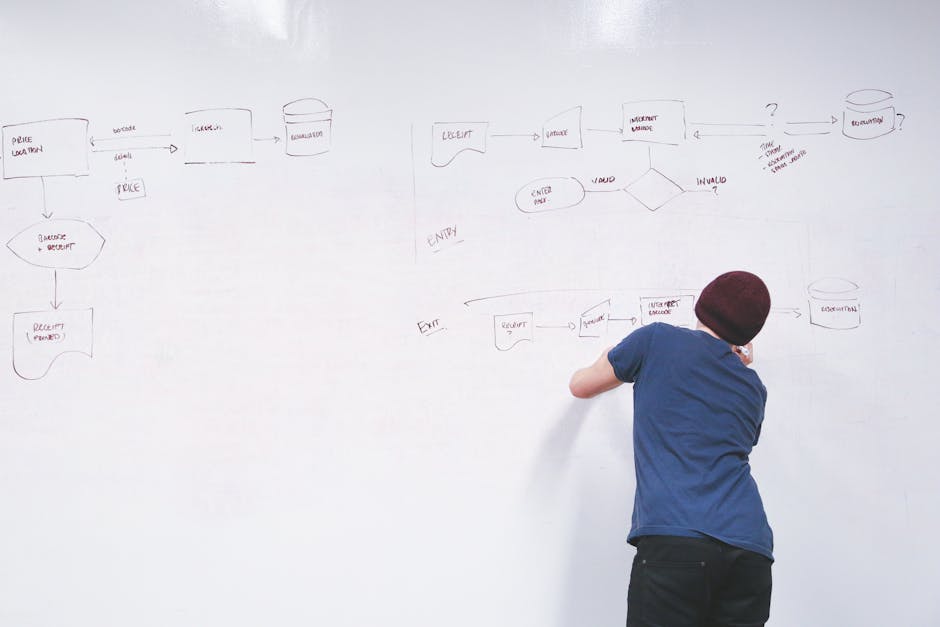
Man in beanie brainstorming and writing flowchart on office whiteboard, planning ideas.
Colleagues discussing data trends on a whiteboard with graphs and charts.
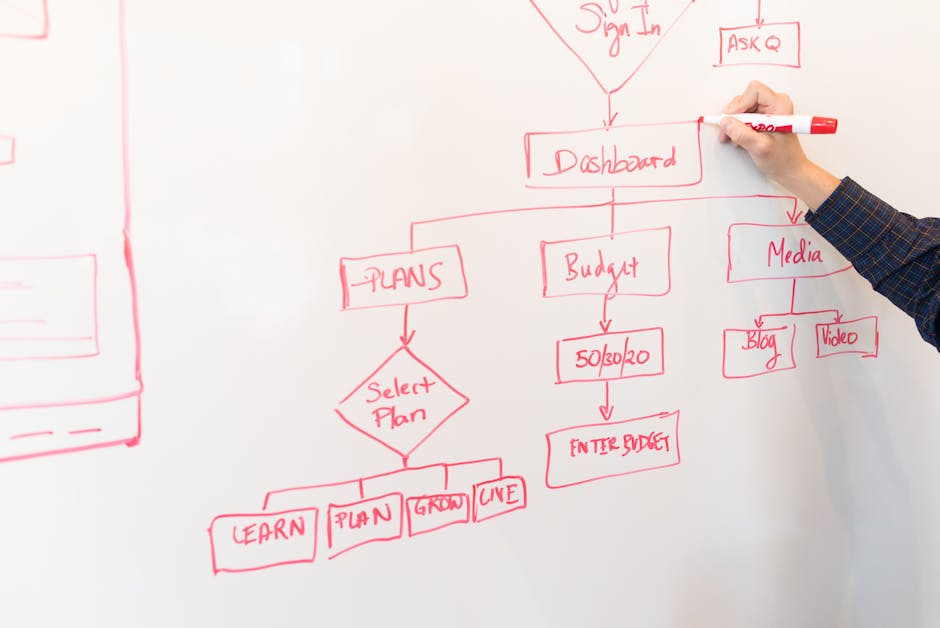
A person creates a flowchart diagram with red pen on a whiteboard, detailing plans and budgeting.
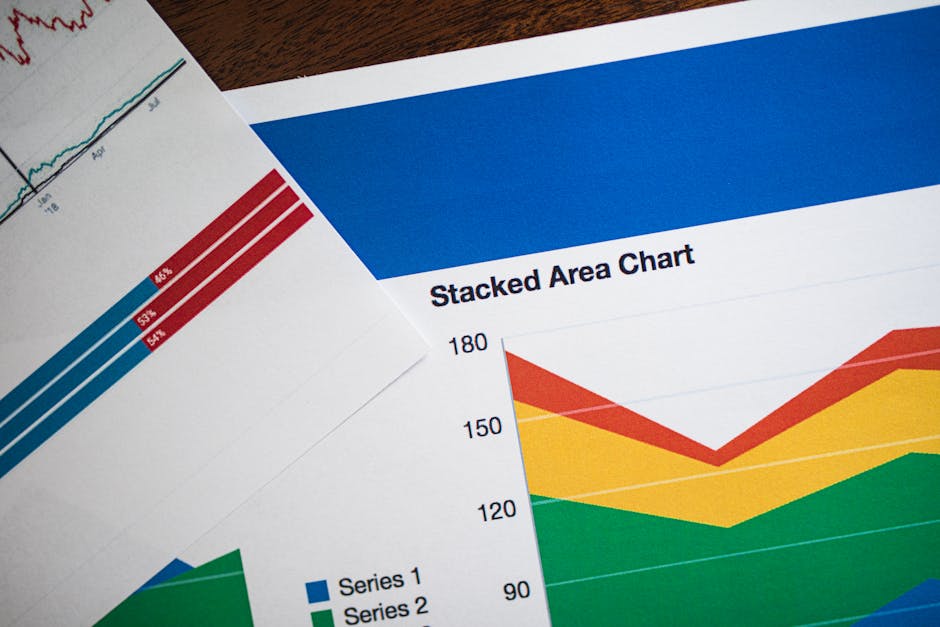
Vivid stacked area chart and graphs on paper, showcasing data analysis.

Contextual Analysis in Reconciliation

Contextual analysis is a critical element of reconciliation. It involves examining discrepancies within the broader financial environment, considering timing, source reliability, and historical patterns. This step does not provide definitive answers but offers a framework for understanding variations. By documenting context, organizations can make informed decisions about how to address exceptions.

💹 DonnerstagAI
DonnerstagAI offers structured reconciliation frameworks and process-oriented tools designed for financial professionals seeking transparency and precision in data analysis.
345 Spear Street, San Francisco, CA
Privacy Policy Terms of Use
© 2026 DonnerstagAI. All rights reserved.

We use cookies

We use cookies to ensure the proper functioning of the website, analyze traffic, and improve your experience. You can accept all cookies or reject them — the site will continue to operate. For more details, read our Cookie Policy.